
Last updated September 10, 2026
Full 25-point door and opener safety check with every visit - springs, cables, rollers, tracks, and your LiftMaster or Chamberlain opener included
You get a price before we start. It does not change when the truck arrives.
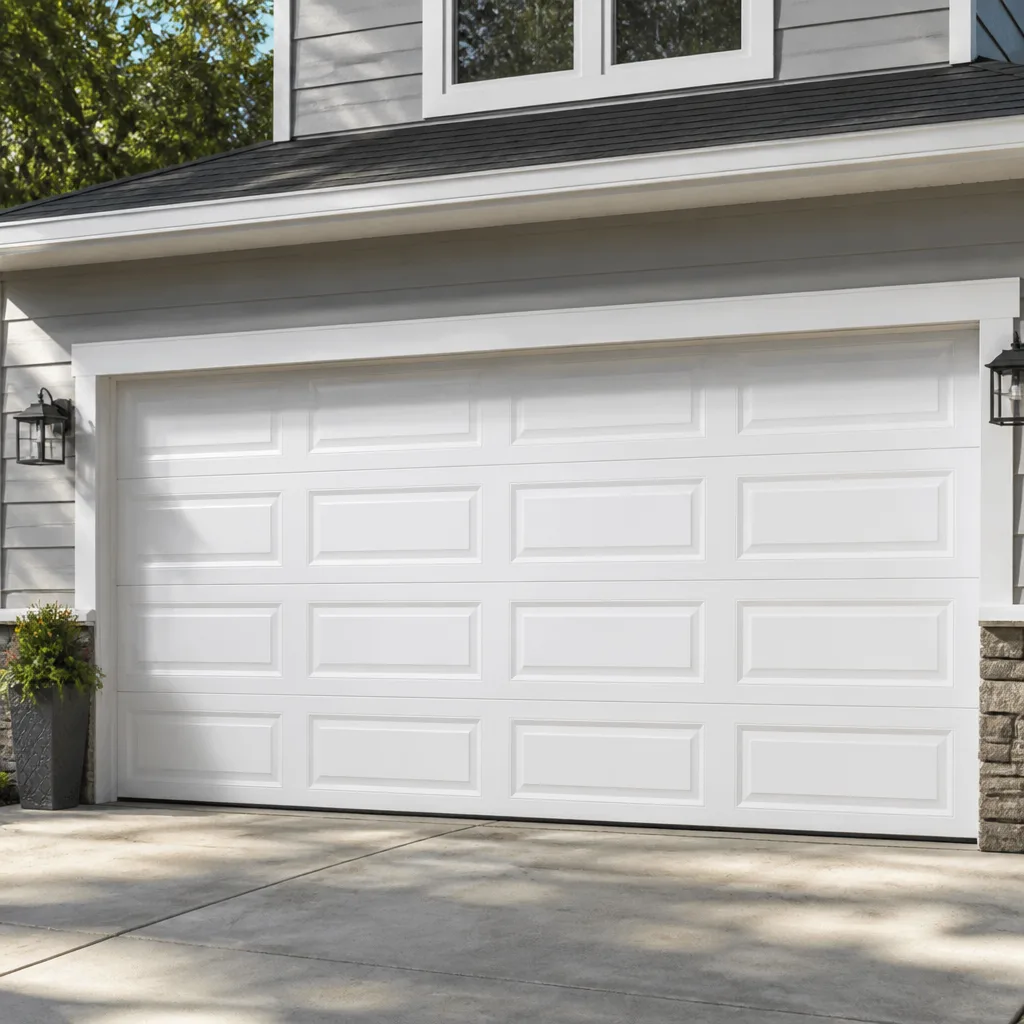
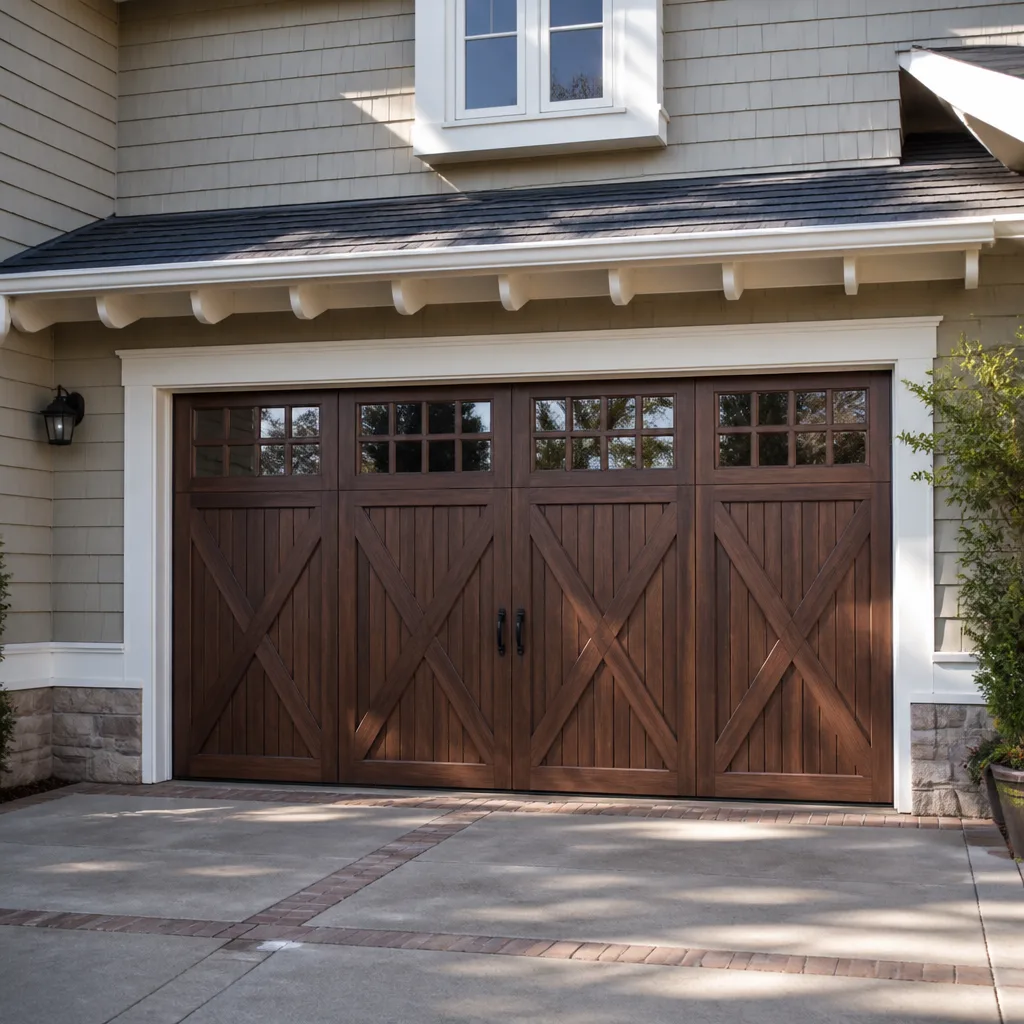
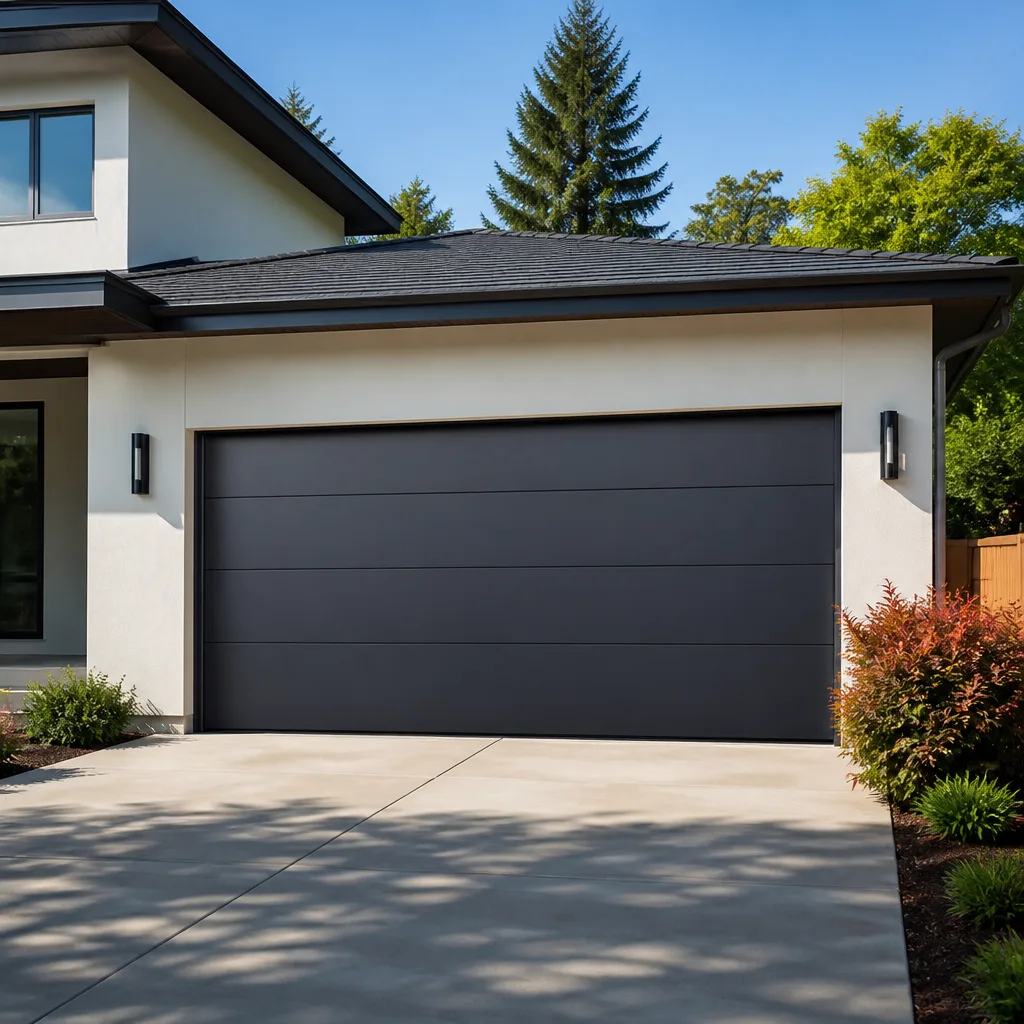
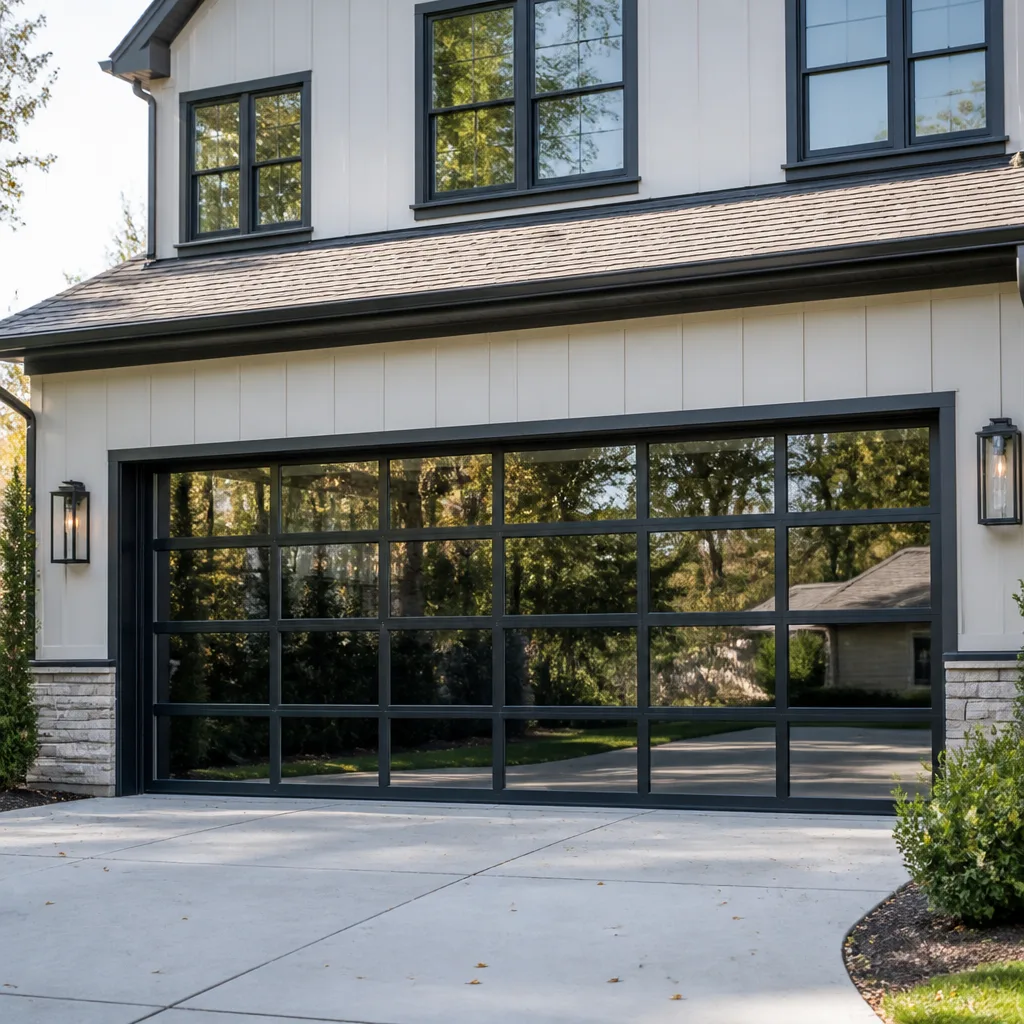
 Before
 After
After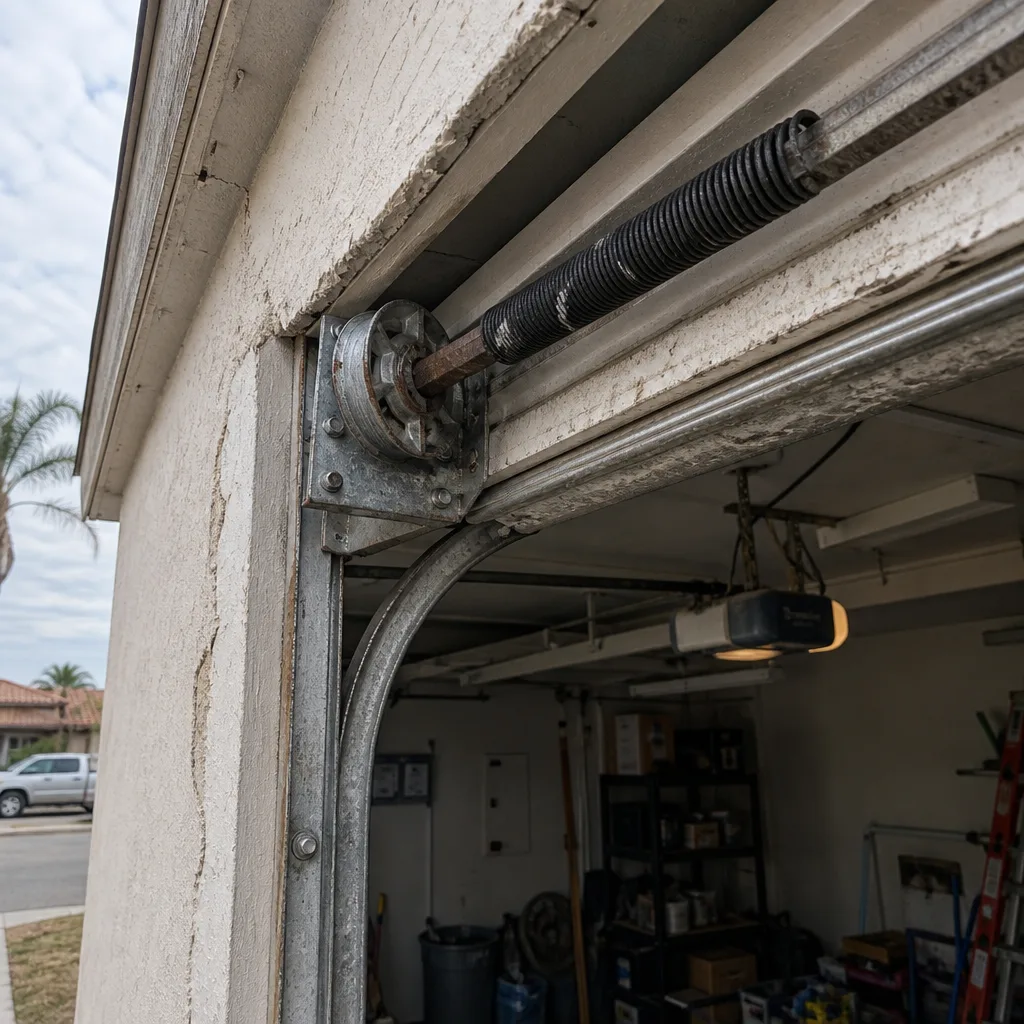 Before
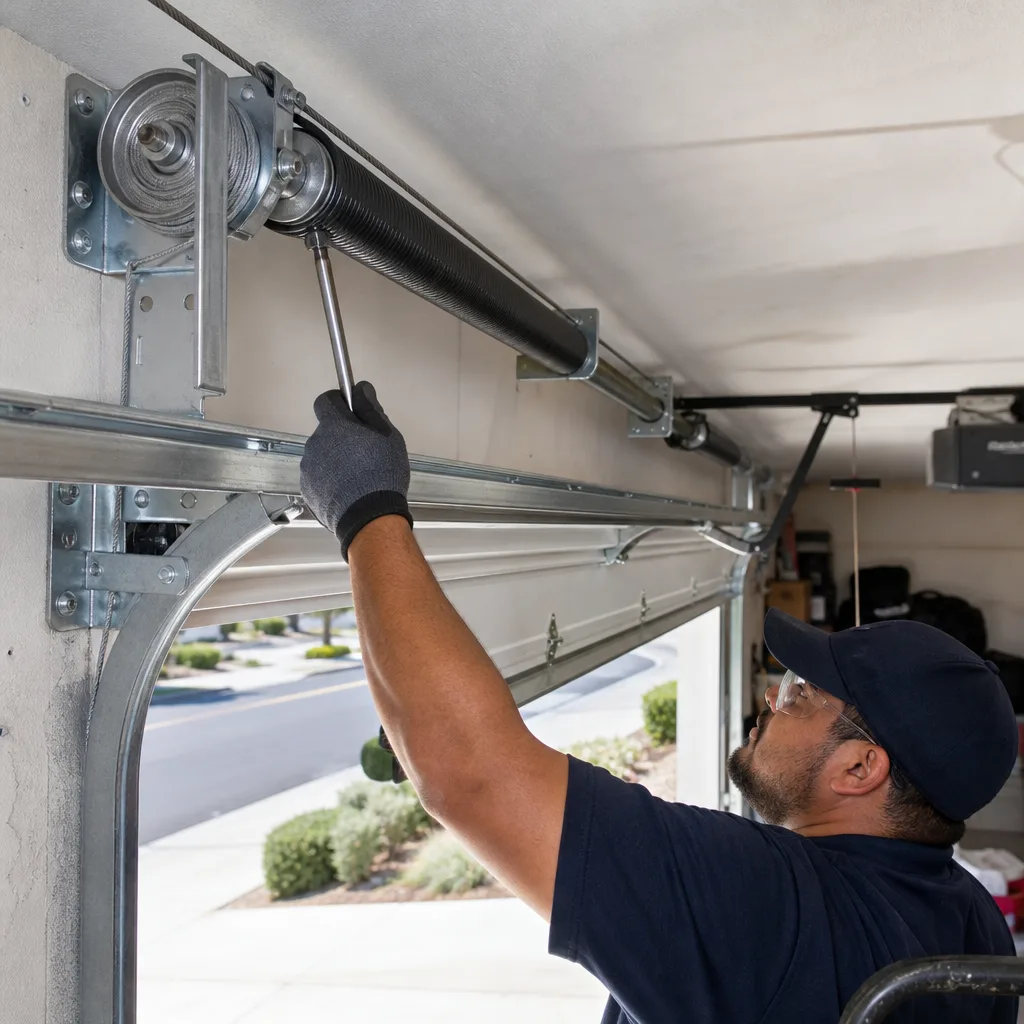 After
After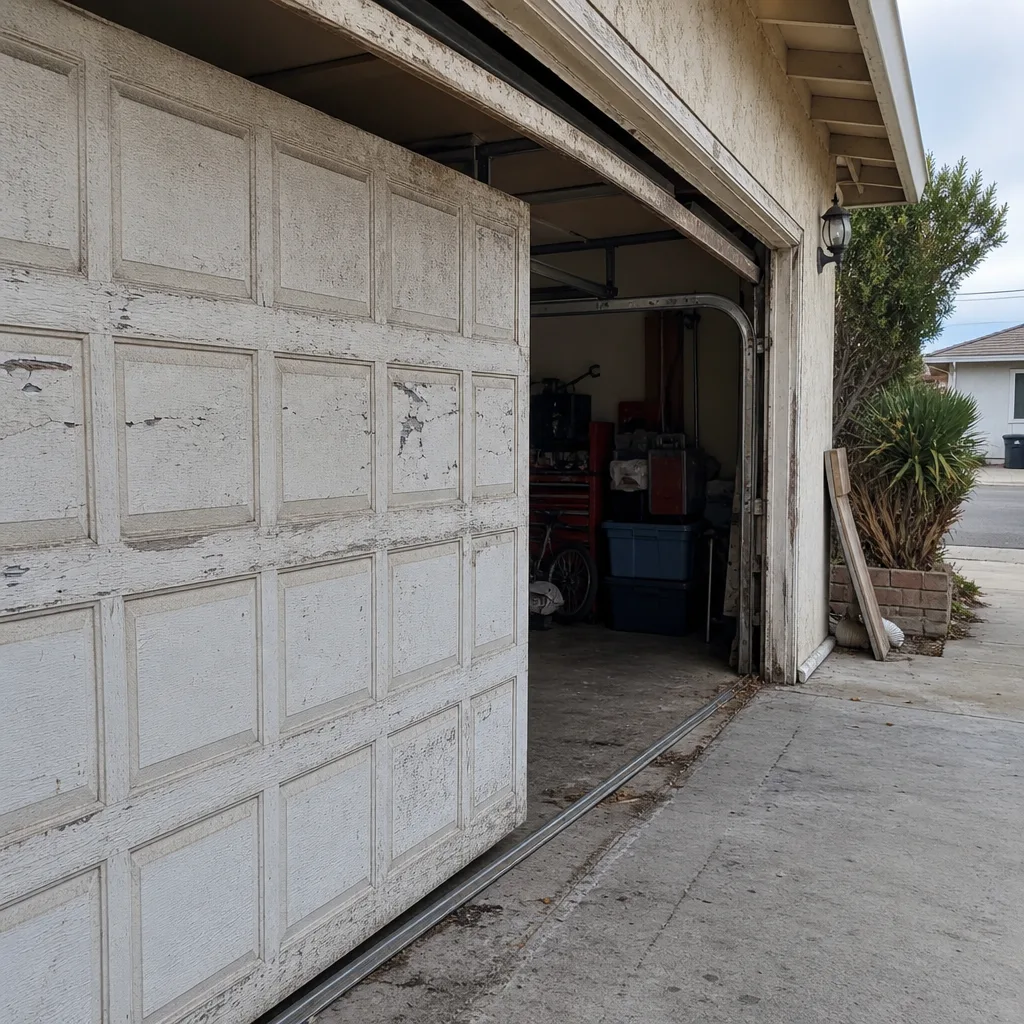 Before
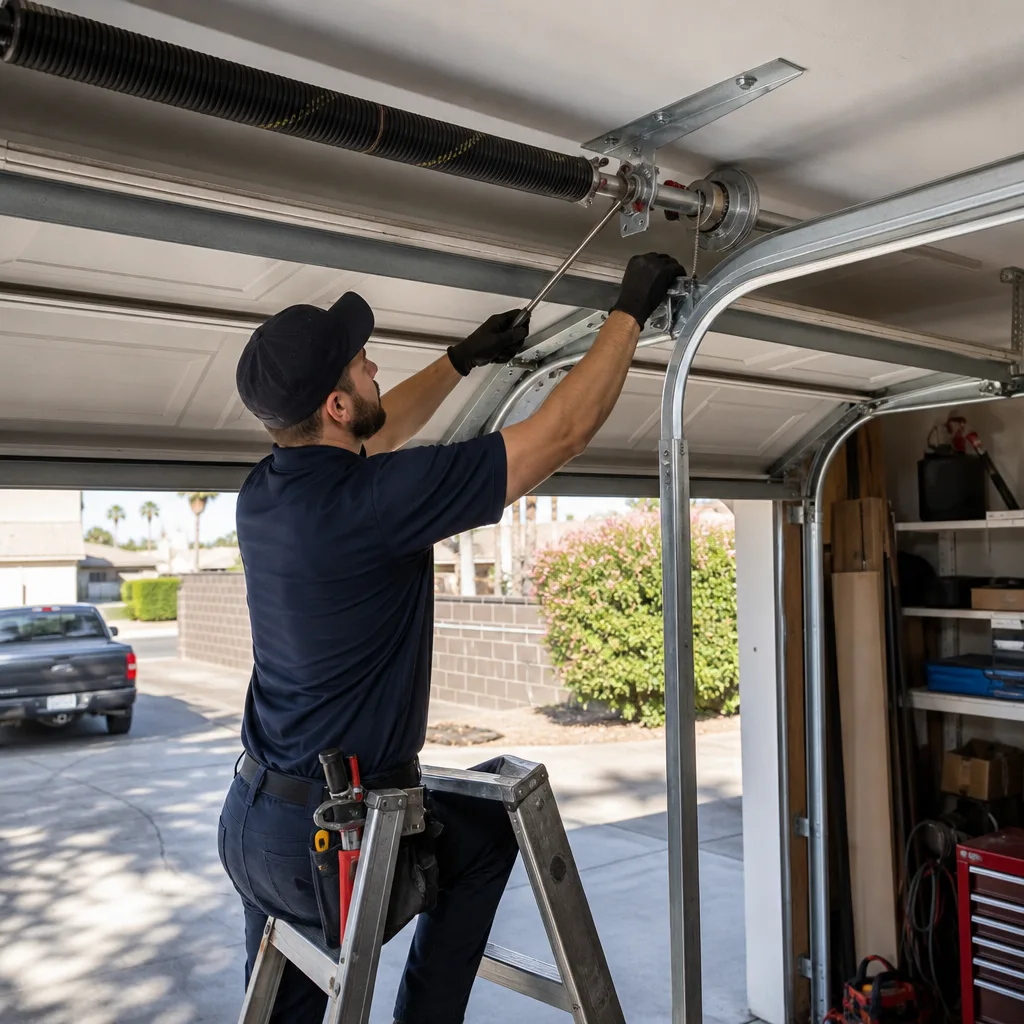 After
AfterGarage Door Permits, Codes & Inspections in CA: What You Need to Know
Your neighbor had his garage door replaced last spring with no permit pulled, no inspection done, and no one said a word. Not the contractor, not the building department, not the homeowner’s insurance agent. Then his insurance company denied a claim after a break-in because the door install wasn’t code-compliant. That’s the quiet risk in California nobody tells you about until it’s too late. We’ve been doing garage doors in Winter Gardens since 2004, and we’ve watched this exact story play out more times than we’d like. This guide covers when California actually requires a permit, what the inspector looks for, and how to avoid paying for the same door twice. For more guides & resources on keeping your garage door safe and compliant, explore our blog.
Quick Answer
A permit is generally required in California when you’re installing a new garage door opening, changing the structural framing around the door, or altering the door’s size. A straightforward like-for-like replacement of an existing door, same size, same opening, no structural changes, is often exempt under California Building Code Section 105.2, but many cities and counties have stricter local rules. The safe play is to call your local building department before any garage door work begins. That 10-minute phone call saves you from discovering a problem during escrow.
Table of Contents
- When a Permit Is Required: Replacement vs. New Installation
- What “Like-for-Like” Actually Means Under the Code
- How Unpermitted Garage Door Work Shows Up at Closing
- Wind Load Bracing Requirements in Southern California
- What a Code-Compliant Inspection Actually Looks Like
- Insurance Implications of an Unpermitted Door Install
- Homeowner vs. Contractor: Who Pulls the Permit
- Winter Gardens and San Diego County Specifics
When a Permit Is Required: Replacement vs. New Installation
California Building Code draws a clear line between swapping an existing door and creating a new opening. A replacement means the old door comes out, a new one goes into the same opening, the framing stays intact, and the size doesn’t change. A new installation means you’re cutting a new opening, enlarging an existing one, converting a carport to a garage, or adding a garage that didn’t exist before. Those are two different animals.
Under California Building Code Section 105.2, Building Work Exempt from Permit, item 1 exempts “one-story detached accessory structures used as tool and storage sheds, playhouses and similar uses, provided the floor area does not exceed 120 square feet.” That’s not your garage. Item 6 exempts “installation of replacement doors and windows, when the replacement is of the same size and when no structural members of the existing building are in any way altered or removed.” That’s the exemption most garage door replacements in Winter Gardens fall under.
But here’s the catch the code doesn’t shout about. Your city or county can amend the state code to be stricter. San Diego County, for example, adopts the California Building Code with local amendments. Some municipalities require a permit for any garage door replacement that includes a new motorized opener, even if the door itself is like-for-like. Others want a permit whenever the door’s weight changes by more than a certain percentage, because that can affect spring tension, track anchors, and header load.
The practical rule we give homeowners in Winter Gardens: if you’re replacing a sectional door with another sectional door of the same dimensions, you’re likely exempt. If you’re converting from a tilt-up to a sectional, changing from a single 8-foot door to a double 16-foot door, or touching any framing, plan on pulling a permit. When in doubt, call the building department. The person who answers is usually happy to tell you, because they’d rather answer the question than deal with the unpermitted mess later.
As a locally owned shop that’s been at this since 2004, we’ve pulled permits for jobs in Winter Gardens, Lakeside, El Cajon, and Santee. The process isn’t scary. What’s scary is skipping it and finding out in escrow.
What “Like-for-Like” Actually Means Under the Code
Homeowners hear “like-for-like” and assume it means “looks roughly the same.” It doesn’t. The code defines it narrowly, and that narrow definition is where we see people get burned.
Under the permit exemption, like-for-like means all three of these are true:
- Same dimensions. Width, height, and track profile. Going from an 8-by-7 door to an 8-by-7 door of a different brand is fine. Going from 8-by-7 to 9-by-7 is not, even if it looks close.
- Same structural configuration. The existing header, jambs, and mounting points remain untouched. If the installer has to cut, notch, shim, or reinforce any framing member, the exemption is void.
- No change to the door’s operating method that alters load path. Swapping a standard-lift sectional for another standard-lift sectional qualifies. Converting from a standard-lift to a high-lift track system, or from a tilt-up to a sectional, changes how load transfers into the header and walls. That’s structural work by the code’s definition, even if you’re not moving the opening.
The exemption gets voided more often than homeowners realize. We’ve seen it happen when someone replaces a wood door, which can weigh 400 pounds, with a steel sandwich door that weighs half that, and the installer “just adjusts” the balance. The inspector’s question is not whether the door works. The question is whether the spring system, cables, and track anchors were re-engineered for the new load. If the answer is “we guessed,” the inspection fails.
Another common trap: the old door was never permitted in the first place. In Winter Gardens, plenty of homes were built in the 1970s and 1980s, and some of those garage conversions and added doors happened before permit records were digitized. If you’re replacing a door on an addition that was never permitted, the building department may require you to pull permits for the entire existing condition before they’ll sign off on the new door. That’s a conversation you want to have before the old door is in pieces on the driveway.
Here’s the honest version of how we handle it. Before we quote a door in Winter Gardens, we ask about the home’s age and any prior garage work. If the opening looks non-conforming or the homeowner mentions an old carport conversion, we recommend they call the building department before we start. It costs nothing to ask, and it saves thousands if the answer changes the scope of the job.
How Unpermitted Garage Door Work Shows Up at Closing
Here’s the part nobody tells you when you’re getting quotes. Unpermitted work has a way of surfacing exactly when it’s most expensive: during the sale of the home.
When you sell a house in California, the seller completes a Transfer Disclosure Statement and, in most transactions, a Supplemental Seller’s Questionnaire. One of the standard questions asks whether any structural modifications, additions, or alterations have been made without required permits. Garage door replacements that changed the opening size, converted a carport, or altered framing fall squarely into that category. If the seller answers “no” and the buyer later discovers unpermitted work, the seller is exposed to a misrepresentation claim. Every real estate agent in San Diego County has heard a version of this story.
A title search on its own won’t necessarily flag an unpermitted garage door. Title companies search recorded documents: deeds, liens, easements, recorded permits. An unpermitted garage conversion won’t appear in the title search because there’s nothing recorded. What flags it is the buyer’s home inspection, the appraisal, or the buyer simply comparing the home’s actual configuration against the county assessor’s records. If the garage was converted to living space without permits, the square footage won’t match, and that mismatch triggers a deeper look.
The actual dollar cost at closing to remediate unpermitted work depends on what the buyer demands. In a hot market, a buyer might accept the condition as-is with a price reduction. In a normal market, the buyer’s lender may require the seller to obtain a retroactive permit before funding. Retroactive permits in San Diego County typically cost more than the original permit would have, because the building department requires an “as-built” review: they inspect existing conditions, may require opening up walls to verify framing, and sometimes require bringing older non-compliant work up to current code. We’ve seen a garage door job that would have needed a $200 permit turn into a $4,000+ retroactive permitting headache because the seller waited until escrow to deal with it.
The short version: pulling the permit on the front end is always the cheaper path. Not pulling it doesn’t make the obligation go away. It just defers it to the worst possible moment.
Wind Load Bracing Requirements in Southern California
If your garage door faces the wrong direction in the wrong ZIP code, the wind will eventually teach you what the building code already knows: a garage door is a large, flat sail bolted to the front of your house.
The California Building Code references wind speed maps that divide the state into zones. Much of coastal Southern California sits in a region where the basic wind speed is around 90 to 105 mph for Risk Category II structures. In certain inland valleys and canyon corridors in San Diego County, including areas near Winter Gardens, local geography can channel wind and push the effective design pressure higher than the countywide map suggests. The American Society of Civil Engineers standard ASCE 7 provides the pressure calculations; the building department applies them.
What this means practically for a garage door is that the door itself, its tracks, and its anchor brackets must be rated for the design wind pressure at your address. The door manufacturer publishes a wind-load rating for each door model, usually expressed in pounds per square foot or as a design pressure value. A door rated for 15 psf isn’t sufficient in a zone that requires 20 psf. The track anchors and jamb brackets have to match the door’s rating; a heavy-duty rated door bolted to light-duty tracks fails the inspection just the same.
An inspector checking wind-load compliance will look for:
- Manufacturer’s wind-load documentation for the specific door model installed
- Anchor schedule: how many fasteners, what size, what spacing, into what substrate
- Reinforcement stiles on the door sections, which the manufacturer includes in wind-rated configurations
- Whether the door was tested and listed for the applicable wind zone
How do you check whether your current door meets the requirement before you call anyone? Look at the warranty sticker or compliance label on the end stile of one of the door sections. It will list a model number and, on newer doors, a wind-load rating. If that label is missing, faded, or you can’t find it, a garage door professional can identify the manufacturer and model and pull the rating from the manufacturer’s data. We do this for homeowners in Winter Gardens all the time, usually when they’re getting ready to sell or after a wind event bends a track that survived the previous decade.
Here’s the thing about wind: the door doesn’t usually fail first. The tracks do. The door flexes, the rollers pop out of the track, and the whole panel falls inward. A properly wind-rated installation accounts for that failure mode with stiffer tracks, more anchors, and heavier gauge hardware. The code cares because a garage door that fails in high wind becomes a missile and a hole in your house at the same time.
What a Code-Compliant Inspection Actually Looks Like
Most homeowners have never watched a garage door inspection, so they don’t know what’s normal and what’s a red flag. Here’s what the process looks like from start to finish when it’s done right.
Step 1: Permit application and plan submittal. For a replacement door that requires a permit, the building department typically wants a site plan showing the location of the garage, a door schedule listing the manufacturer, model, dimensions, and wind-load rating, and sometimes a product approval document from the manufacturer. For a new opening or structural change, the plan requirement expands to include header sizing, shear wall details, and fastener schedules.
Step 2: Rough framing inspection. If any framing was altered, the inspector comes out after the framing is done but before the door is installed. The inspector verifies header size and bearing, checks the shear transfer at the jambs, and confirms the opening dimensions match the approved plans. This step gets skipped sometimes on simple replacements, but a legitimate installer will have already confirmed with the building department whether it’s required.
Step 3: Door installation. The door, tracks, springs, cables, and opener are installed per manufacturer instructions and the approved plans. For a wind-load-rated door, the installer follows the manufacturer’s reinforcement and anchor schedule exactly. No substitutions, no “this screw is basically the same.”
Step 4: Final inspection. The inspector verifies the installed door matches the approved door schedule, checks the operation, confirms safety features like the auto-reverse and photo-eye sensors on the opener, and spot-checks anchors against the approved plan. The inspector will also verify that any required weatherstripping, threshold, and emergency release are present and functional.
The most common reason a final inspection fails in our experience in San Diego County: the installed door doesn’t match the permit documents. The homeowner picked a different door after the permit was pulled, or the installer substituted a door that was in stock. The second most common: missing or incomplete anchorage, especially at the top of the track where installers sometimes skip a bolt to save time. Both failures are avoidable with attention to detail.
After the final inspection passes, the building department issues a certificate of occupancy or completion, depending on the scope, and the permit closes. That closed permit is your proof the work was done to code, and it’s the document that stops the escrow nightmare before it starts.
Insurance Implications of an Unpermitted Door Install
Insurance companies don’t ask about garage door permits when they write a homeowners policy. They ask after the claim is filed. That’s the timing that surprises people.
A standard HO-3 homeowners policy in California covers sudden and accidental direct physical loss to the dwelling, subject to exclusions. One exclusion that bites in the garage door context is faulty workmanship. If a claim arises, the adjuster’s first job is to determine the cause of loss. If the damage traces back to an unpermitted install: a door that fell off its tracks, a spring that broke and took out a vehicle, a wind event that peeled a non-rated door off the house: the adjuster will look at whether the work was done to code. No permit and no inspection means no third-party verification that the work was code-compliant. In a contested claim, that absence of verification becomes the insurer’s reason to deny.
Here’s the scenario we’ve seen play out more than once. A homeowner in Lakeside has a garage door installed without a permit. Two years later, a Santa Ana wind event hits, the door fails, and the falling door damages two cars inside the garage. The homeowner files a claim. The adjuster asks who installed the door and whether a permit was pulled. When the answer is “some guy off Craigslist” and “no,” the insurer denies the claim based on improper installation and the homeowner is left holding the whole loss.
Could the denial be challenged? Sometimes. California courts have required insurers to show a causal connection between the unpermitted work and the loss, and a few cases have gone the homeowner’s way when the unpermitted work didn’t cause the damage. But “you might win in court two years later” is not a bet most homeowners want to make when their car is damaged and their garage is open to the weather.
The insurance-safe path is the same as the code-safe path: pull the permit when it’s required, keep the closed permit and the invoice in your records, and if you’re replacing a door that was previously unpermitted, disclose it to your agent before you renew the policy. Some carriers will write the risk with the condition disclosed; some won’t. Better to know before the claim than after.
Homeowner vs. Contractor: Who Pulls the Permit
In California, the permit must be in the name of the person or company doing the work. For a homeowner hiring a contractor, the contractor is generally required to pull the permit, because contractors are licensed by the California Contractors State License Board and are the entities performing the work. A homeowner pulling a permit for a contractor’s work creates a legal gray zone: the homeowner assumes responsibility for code compliance without the expertise to verify it, and the contractor’s insurer may deny coverage for a job where the contractor didn’t pull the permit.
Some homeowners want to pull the permit themselves to save the permit fee markup. We understand the instinct, but we don’t recommend it for garage door work. The contractor pulling the permit means the contractor’s license is attached to the job, the contractor schedules and attends the inspections, and the contractor carries the liability for a failed inspection. A homeowner-pulled permit for a garage door install with a structural component is like doing your own surgery because you bought the scalpel. Possible. Not wise.
What if the contractor proposes skipping the permit entirely? That’s a red flag. Any contractor willing to skip a required permit is also willing to skip the code compliance that the permit enforces. The savings on an unpermitted job, maybe $150 to $400 on a typical garage door replacement, buy you a risk measured in thousands at resale.
We pull permits for garage door work in Winter Gardens and throughout San Diego County. It’s part of the job, the same way balancing the springs and testing the auto-reverse are part of the job. The name on the van is the name on the license, and that license number is published and verifiable before the truck ever shows up.
Winter Gardens and San Diego County Specifics
Winter Gardens sits in unincorporated San Diego County, which means the building jurisdiction is the County of San Diego Planning & Development Services, not a city building department. The county adopts the California Building Code with local amendments, and those amendments include a few items specific to garage doors.
First, San Diego County requires permits for “any garage door installation that includes structural modification to the opening, or replacement of a garage door where the new door’s weight or size differs from the original by more than 10 percent.” That 10-percent rule is a local amendment, not state code, and it catches a lot of replacements. A homeowner upgrading from a lightweight non-insulated steel door to a double-layer insulated door can cross that threshold without realizing it.
Second, the county’s wind exposure maps place parts of Winter Gardens and the surrounding foothill communities in a higher wind exposure category than the coastal plain. Homes on ridgelines, at the top of slopes, or in open valley corridors may need a wind-rated door even if the house two blocks away doesn’t. The only way to know is to check the address against the county’s wind map or ask the building department when the permit is pulled.
Third, older homes in Winter Gardens, and there are plenty from the 1960s and 1970s, often have garage doors that predate current safety standards. If the existing door lacks safety cables on the extension springs or the opener lacks a photo-eye sensor, the county will require those items addressed as part of any replacement. That’s not the county being difficult. That’s the county bringing non-compliant conditions up to code while the wall is open, which is the cheapest time to do it.
We work in Winter Gardens every week, and we know which neighborhoods sit in the wind exposure zones and which don’t. We know the county inspectors’ names and what they flag first on a garage door inspection. That local knowledge isn’t something you get from a national chain with a call center in another state. It’s what comes from doing this work here, on these houses, for over 29 years. If you want to see more about our service area, start at the Otto’s Garage Door home page, or look at our Garage Door Repair in Winter Gardens page if you’re dealing with a door that needs attention now.
Common Mistakes to Avoid
- Assuming “like-for-like” means “same size.” It means same size, same structural configuration, and no change to the load path. Change any one of those and the exemption evaporates.
- Letting a handyman do the install without a permit because “it’s just a garage door.” A 200-pound door riding on two springs deserves respect. The code exists because these doors hurt people when they’re installed wrong.
- Not checking the wind zone before ordering a door. In the foothill areas around Winter Gardens, a door that’s fine in El Cajon can be under-rated by the time it’s mounted on a ridge above the valley. Check before you buy.
- Skipping the permit to save a couple hundred dollars. That savings becomes a five-figure escrow problem when the buyer’s agent spots the discrepancy and the lender freezes the loan.
- Buying a door online and hiring the cheapest installer to hang it. The manufacturer’s warranty requires installation per instructions, and an unlicensed installer’s work voids both the warranty and the wind-load rating.
- Not keeping the closed permit and inspection records. The documents are worthless if they’re lost. Store them with your title paperwork.
- Assuming the insurance company will never ask. They won’t ask when you buy the policy. They’ll ask when the claim is filed, and by then it’s too late to pull the permit retroactively without extra cost and scrutiny.
When to Call a Professional
If you’re unsure whether your garage door project needs a permit, call the San Diego County building department and ask. The question takes two minutes. If the answer is yes, hire a licensed contractor who will pull the permit, schedule the inspections, and stand behind the work. Garage door springs under tension, track systems under load, and wind-rated anchors in a high-wind zone are not weekend projects. A wrong guess on spring tension or anchor spacing can turn a $200 door repair into a hospital visit. If you’re in Winter Gardens or anywhere in the San Diego County backcountry, Otto’s Garage Door offers free estimates and will tell you honestly whether the job needs a permit before any money changes hands. Call (619) 935-3793 and talk to a person who knows the code and the county.
Frequently Asked Questions
No permit is required for a like-for-like replacement where the door is the same size, the framing remains untouched, and no structural changes are made, per California Building Code Section 105.2. A permit is required for a new opening, a size change, or any structural alteration. Local amendments in San Diego County add a 10-percent weight/size change threshold that can trigger a permit requirement on a replacement that would be exempt under state code alone.
The work remains unpermitted, which creates disclosure obligations when you sell, can delay or derail a sale if a buyer’s lender flags it, and can give your homeowner’s insurer a basis to deny a claim tied to the unpermitted work. The county can also require a retroactive permit, which typically involves an as-built review and often costs more than the original permit would have.
A handyman doing work that requires a permit must pull that permit, and a contractor’s license is required for any job over $500 in combined labor and materials. Garage door replacement that requires a permit should be done by a licensed contractor whose license is attached to the permit. An unlicensed handyman doing permitted work creates liability exposure for the homeowner that a licensed contractor’s insurance would otherwise cover.
Permit costs vary by job scope and valuation, but a straightforward garage door replacement permit in unincorporated San Diego County typically runs a few hundred dollars including plan review. The exact figure depends on the door’s value, the scope of work, and any county surcharges. The retrofit permit for unpermitted work is almost always more expensive than the original permit would have been.
The required rating depends on your address and its wind exposure category under the county’s wind maps. Homes on ridgelines and open slopes near Winter Gardens often require a higher design pressure rating than valley-floor homes. Check the labels on your current door’s end stiles or ask the building department; we do this wind-zone check for free during a site visit in our service area.
The contractor should pull the permit. The permit is tied to the contractor’s license, the contractor schedules and attends inspections, and the contractor carries liability for failed inspections. A homeowner-pulled permit for a garage door job with structural work transfers code-compliance risk to the homeowner without the expertise to manage it.
Yes. We pull the required permits for garage door replacements and installations in Winter Gardens and throughout San Diego County. We handle the plan submittal, schedule the inspections, and stand at the door with the inspector. For a door that needs a new opener along with the replacement, check our Garage Door Opener in Winter Gardens page, and for full door replacement, our Garage Door Installation in Winter Gardens page covers what the job involves.
The Bottom Line
Garage door permits in California aren’t optional paperwork for bureaucrats. They’re the proof that your door was installed to the code that keeps it on the wall during a wind event and under tension when the springs let go. A like-for-like replacement often skips the permit counter, but any structural change, size change, or significant weight change pulls the job into permit territory, and San Diego County’s local amendments are stricter than state code. The cost of pulling the permit on the front end is a rounding error compared to the escrow delay, the insurance denial, or the retroactive permit on the back end. Ask the building department, keep the records, and if you’re within reach of Winter Gardens, call (619) 935-3793. Otto’s been answering that phone since 2004, and he’ll tell you straight whether the job needs a permit and what it’ll cost before the first wrench turns.
Written by Otto Reinhardt, Owner at Otto’s Garage Door, serving Winter Gardens since 2004.