
Last updated September 10, 2026
Full 25-point door and opener safety check with every visit - springs, cables, rollers, tracks, and your LiftMaster or Chamberlain opener included
You get a price before we start. It does not change when the truck arrives.
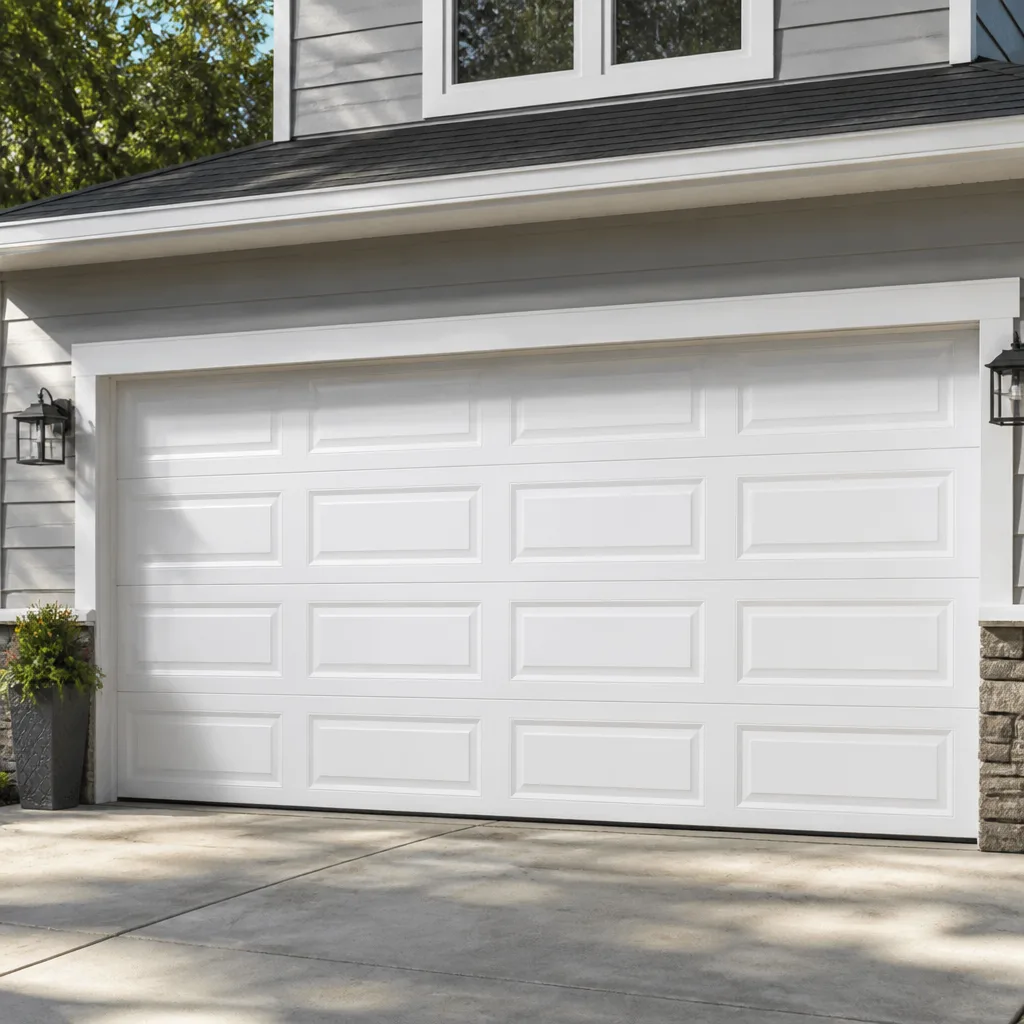
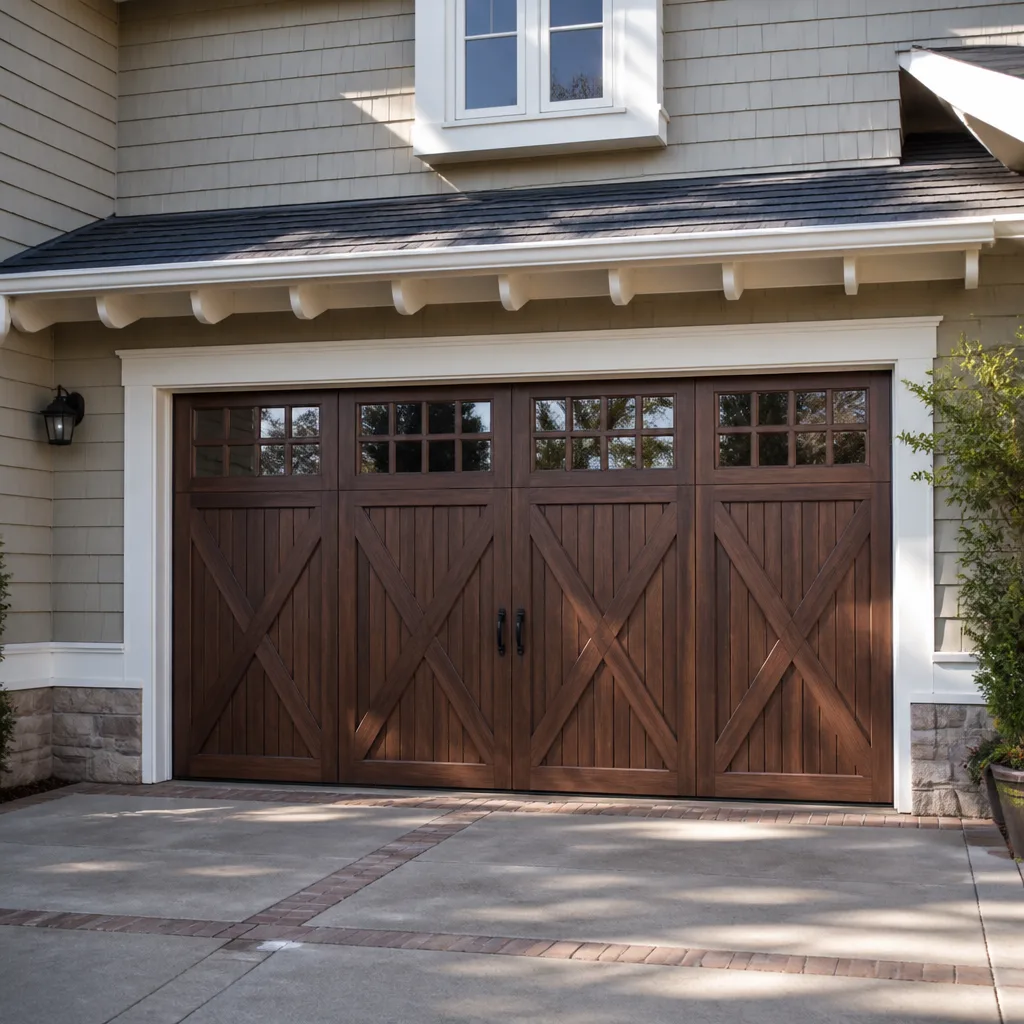
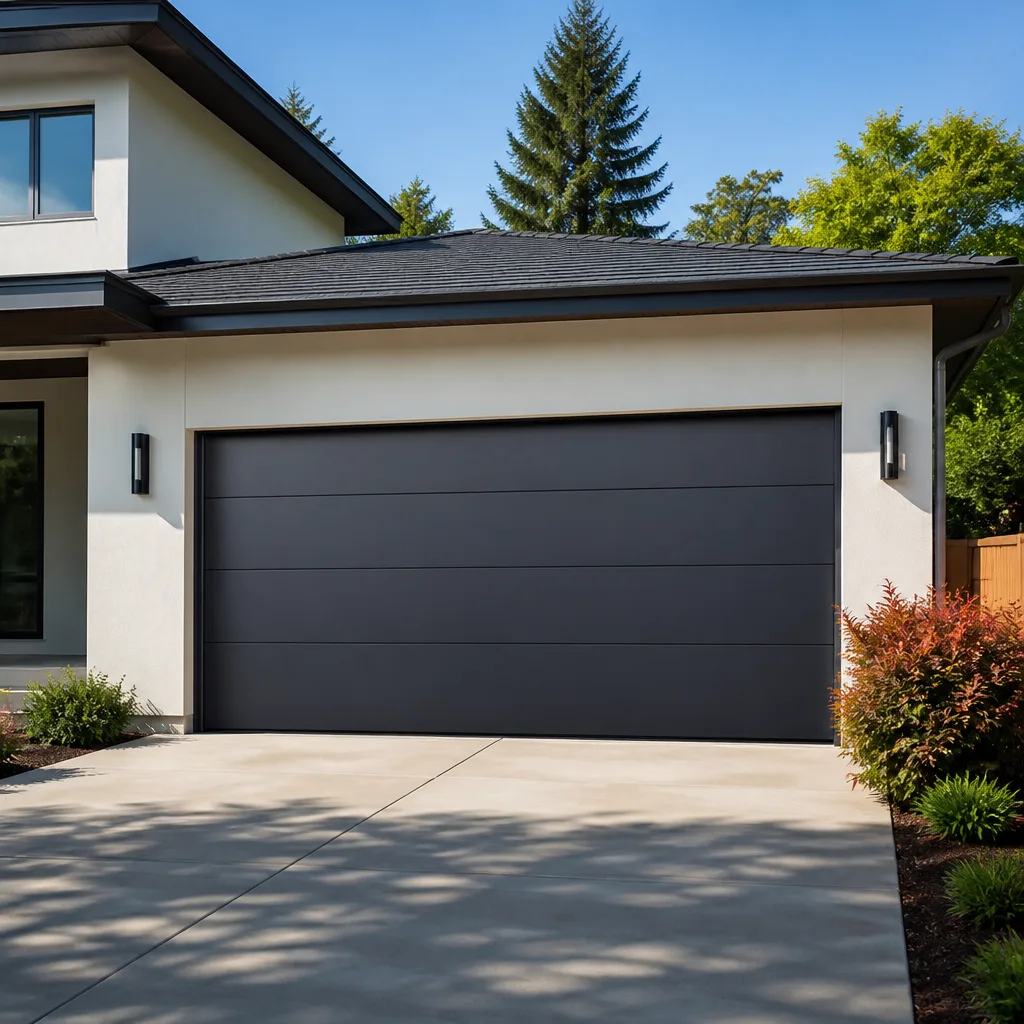
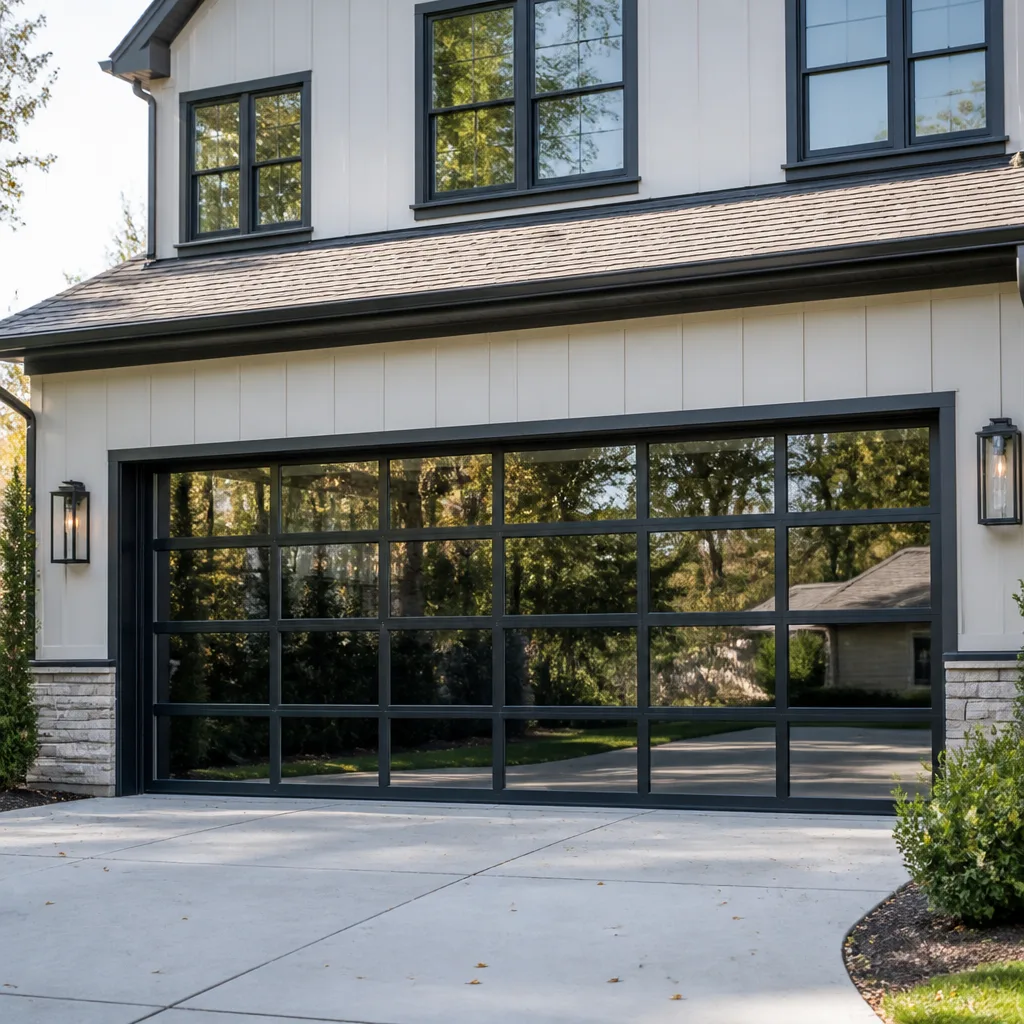
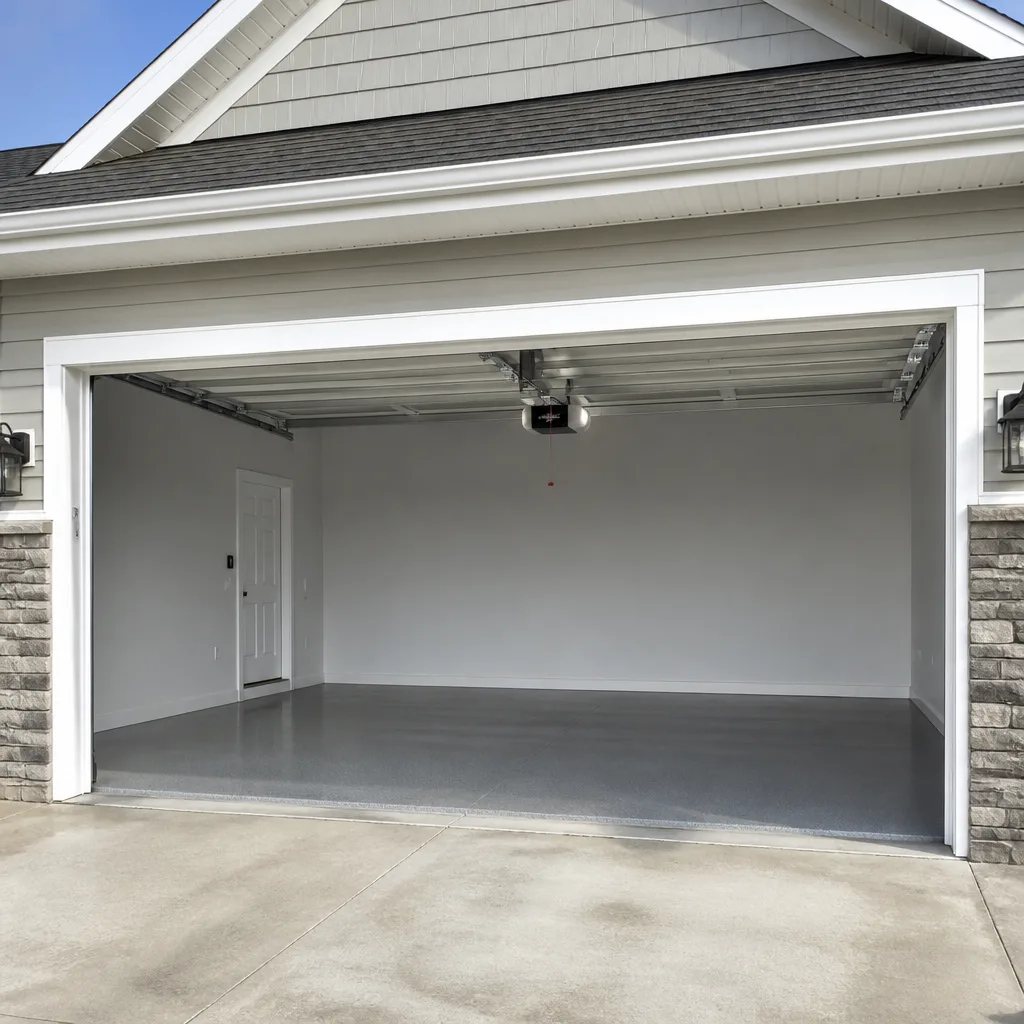
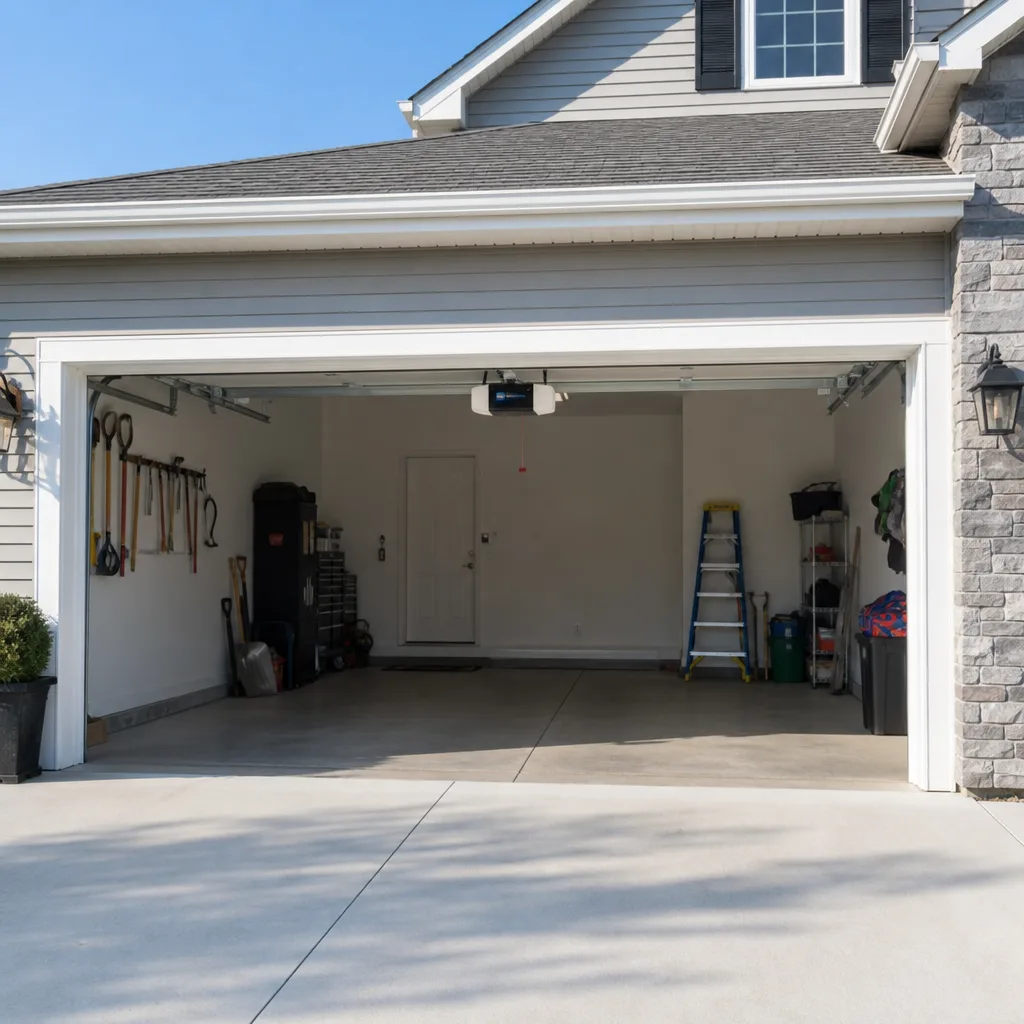
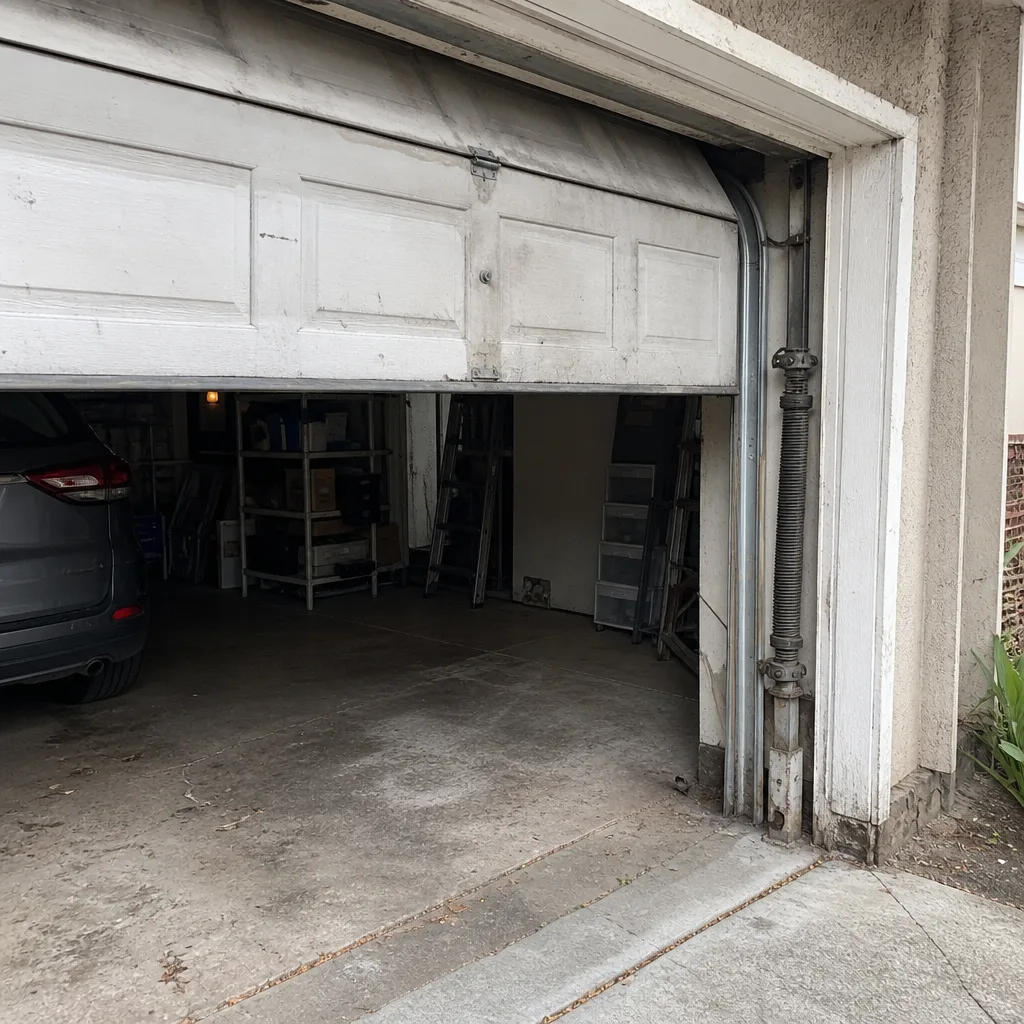 Before
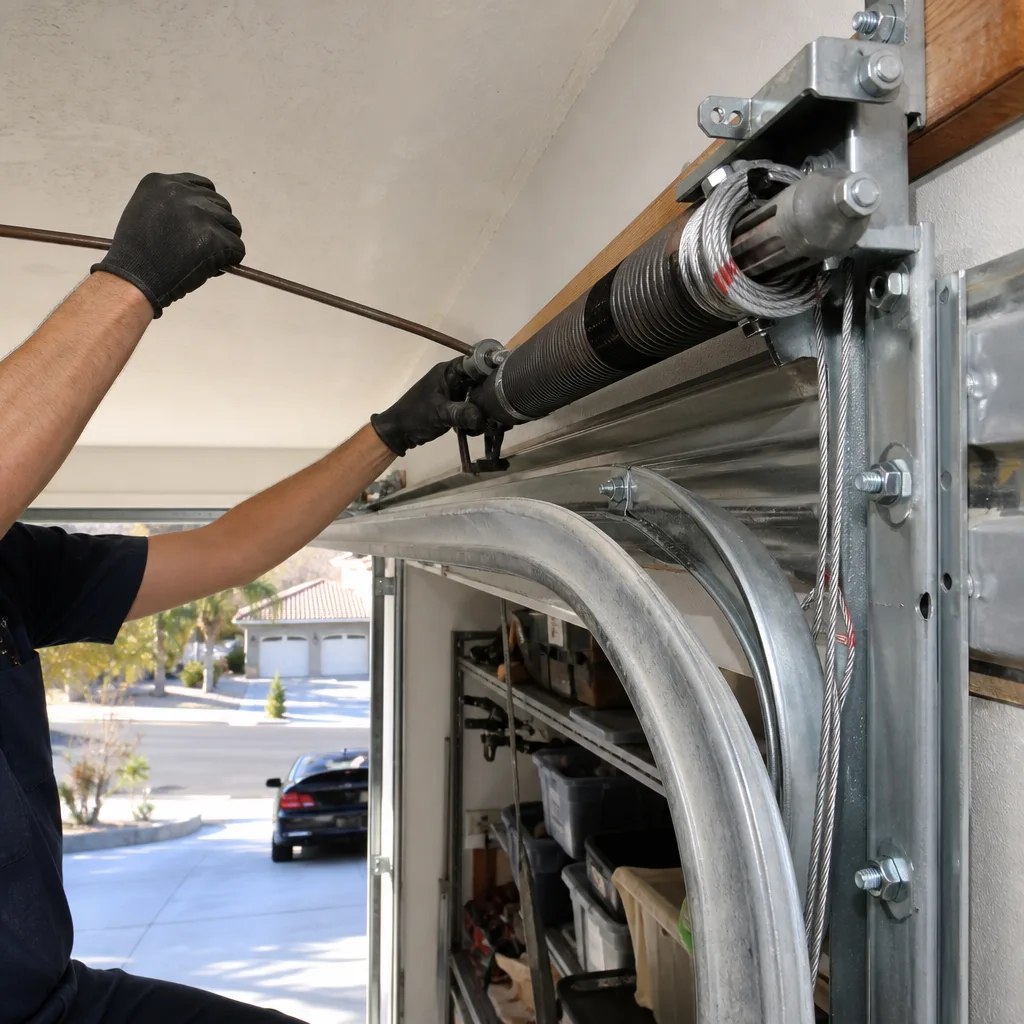 After
After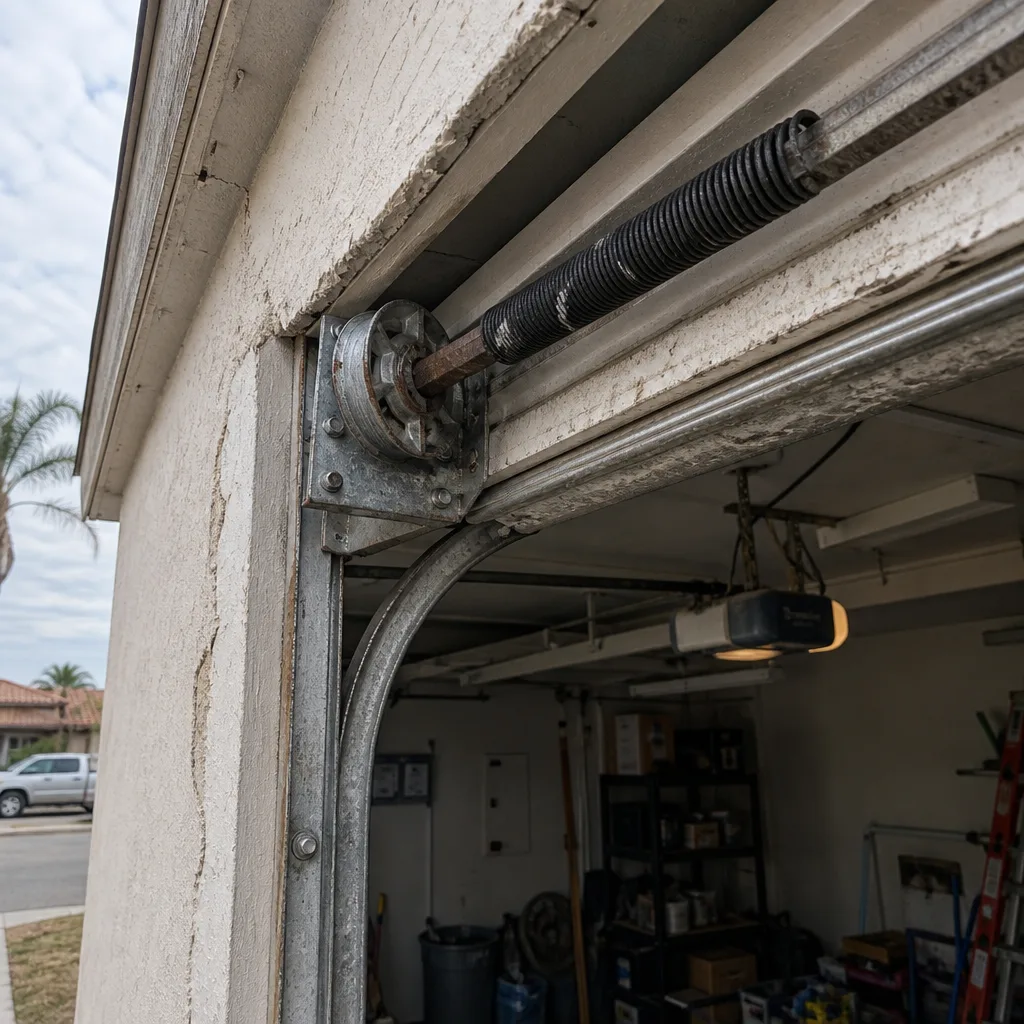 Before
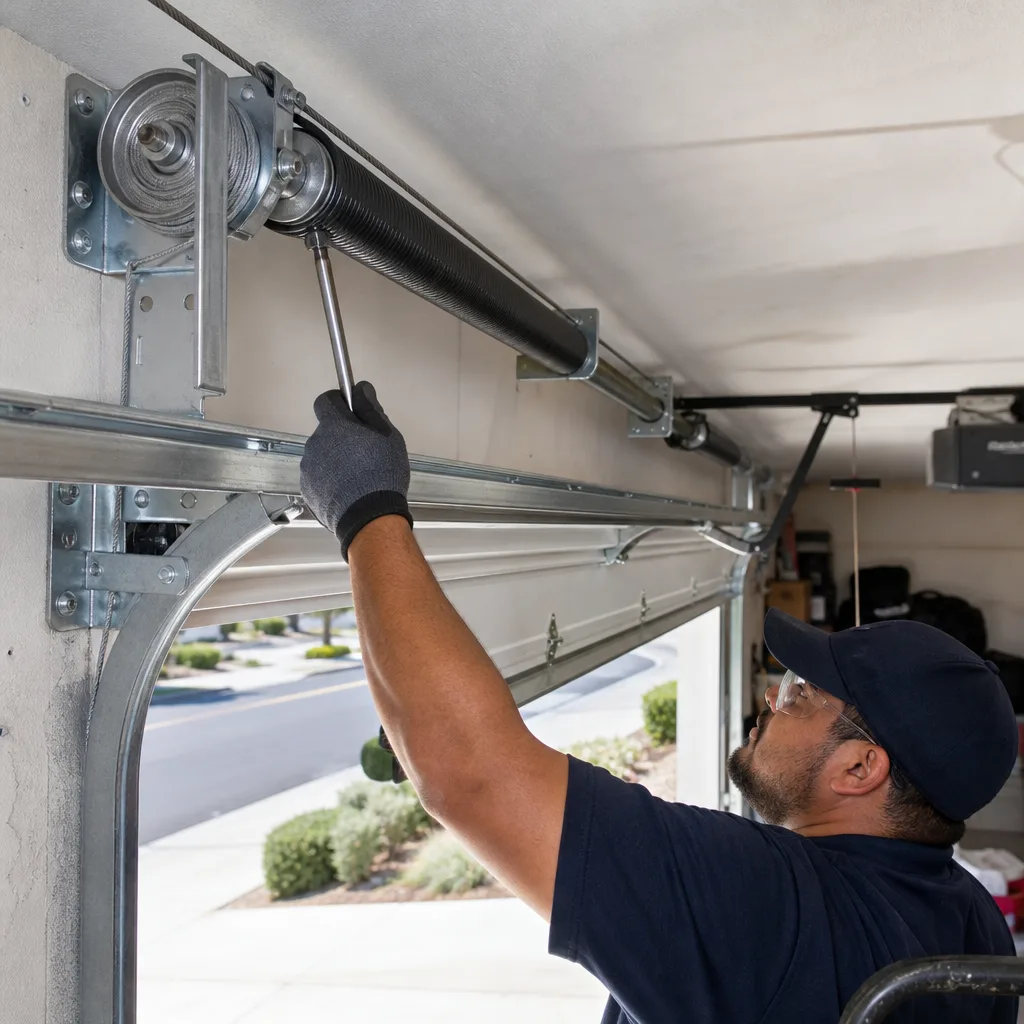 After
After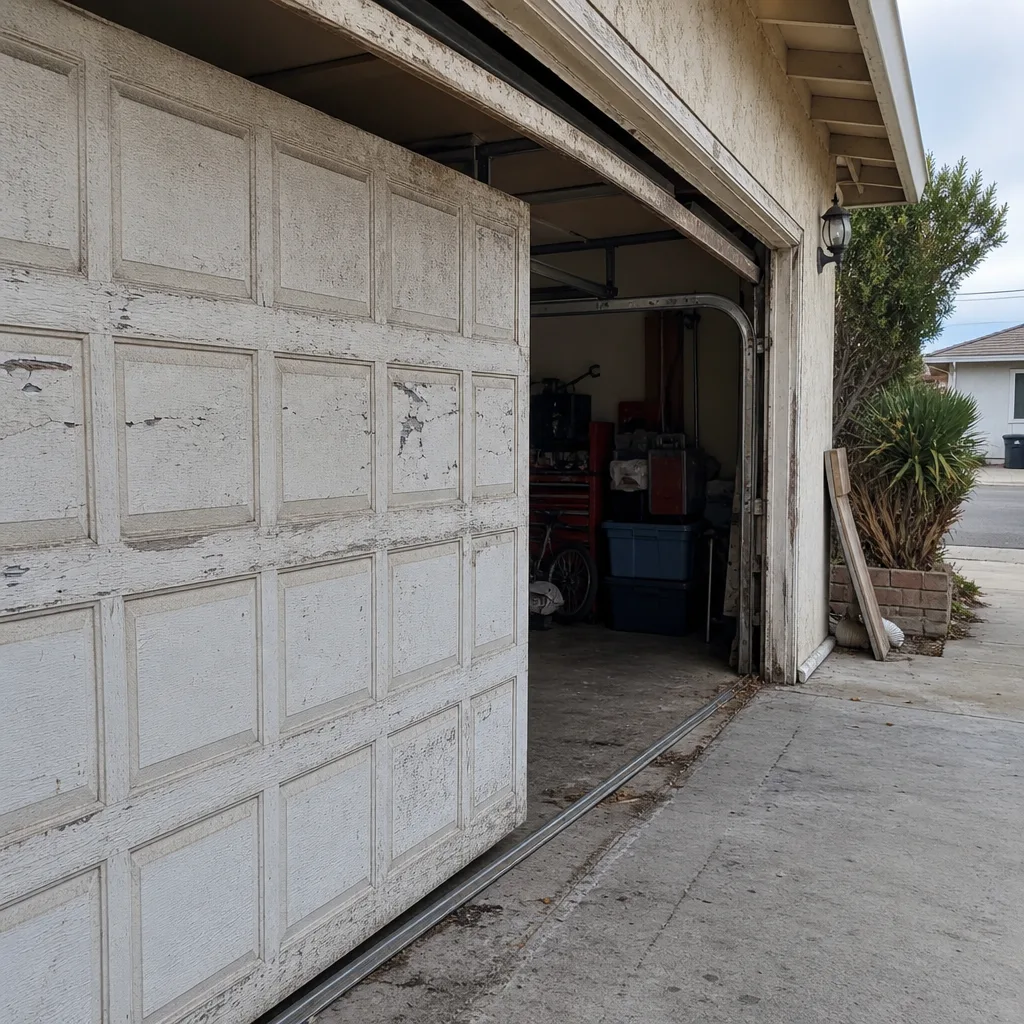 Before
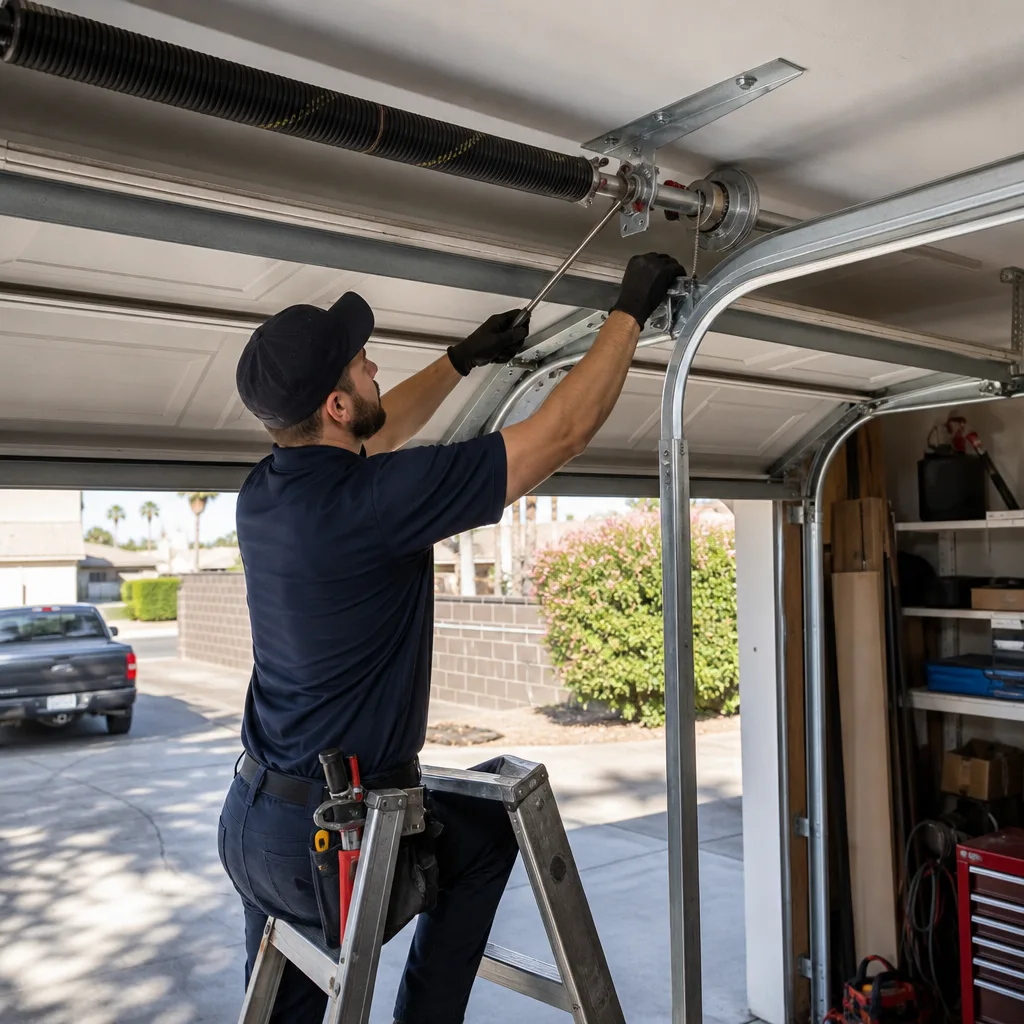 After
AfterThe Complete Guide to Garage Door in Winter Gardens
The garage door is the largest moving part of your home and, in most Winter Gardens houses, the widest exterior wall. Yet most buyers spend less time picking one than they spend picking a ceiling fan. That’s a strange set of priorities when you consider what’s at stake: your largest wall, your primary entry point for vehicles, and in a lot of Winter Gardens floor plans, the first thing a visitor sees from the street. This guide walks through every choice that matters, from spring type to panel gauge, and explains what actually holds up in the Inland Empire heat and the feed-store neighborhoods of this specific zip code. For more guides & resources, visit our blog.
Quick Answer
A garage door in Winter Gardens needs three things: a torsion spring system sized to the door weight, a steel gauge and insulation level matched to our summer heat, and a bottom seal that keeps rodents and cooled air where they belong. Expect to spend between $1,100 and $4,200 installed depending on material and insulation. The decisions you make at purchase time lock in both problems and protections for roughly 20 years, so measure your opening before you shop and don’t let a door salesman skip the spring conversation.
Table of Contents
- How the Winter Gardens Climate Affects Your Door
- Torsion vs. Extension Springs: What Breaks First and What It Costs
- Measuring Before You Shop: The Two Numbers That Kill Installs
- Steel-Backed vs. Aluminum-Faced: What the Brochure Won’t Tell You
- Insulation and R-Values: Why Winter Gardens Demands More Than You’d Think
- The Bottom Seal and Threshold Combo That Pays for Itself
- Opener Selection: Horsepower, Brands, and What Actually Lasts
- A 12-Month Maintenance Schedule for Winter Gardens Homes
How the Winter Gardens Climate Affects Your Door
Winter Gardens sits in the eastern part of San Diego County, but its climate behaves more like the Inland Empire than the coast. Summer days routinely push past 90 degrees, and the garage soaks up that heat like a kiln. By late afternoon, an uninsulated garage in Winter Gardens can sit 15 to 20 degrees hotter than the outside air. That heat does two things to a door: it accelerates the breakdown of nylon rollers and bushings, and it causes the steel panels to expand enough that a door that ran smooth in spring can start binding in August.
The temperature swing matters more than the peak. A Winter Gardens summer swings 30 to 35 degrees between night and day. Steel expands and contracts through that swing every single day. Thin, single-layer panels flex more than thicker steel, and that flex is what eventually leads to cracks at the panel seams and stress on the hinges. We’ve replaced doors in El Cajon and Lakeside that failed at year 12 because they were spec’d for a coastal climate that doesn’t exist east of the 67. The same door in a coastal neighborhood might have lasted 20 years.
This is why garage door installation in Winter Gardens requires thinking about thermal movement before thinking about color or window placement. A door that’s tight at noon on a 95-degree day has room to flex. A door that’s already at the edge of its tolerance will grind on the tracks until something gives. The fix starts with choosing a steel gauge and panel construction that acknowledges this zip code’s weather, not a brochure written in Ohio.
Torsion vs. Extension Springs: What Breaks First and What It Costs
Every garage door system has either torsion springs or extension springs. Torsion springs sit on a shaft above the door. Extension springs stretch along the horizontal tracks on both sides. In a real residential setting, the difference shows up in three ways: how the door feels when it runs, what breaks first when something fails, and what that failure costs to fix.
Torsion springs are wound tight and release energy smoothly as the door lowers. That makes the door run quieter and keeps tension balanced across the width. Extension springs are simpler and cheaper up front, but they stretch and recoil with every cycle. Over time, the hooks and pulleys wear unevenly, so one side of the door starts pulling harder than the other. You’ll notice it first as a door that looks slightly crooked when half open.
What breaks first on a torsion system is usually the spring itself, at the end of its cycle life. A standard torsion spring is rated for 10,000 cycles, which translates to about seven years of daily use in a Winter Gardens household. When it lets go, it’s loud, immediate, and the door won’t open without a fight. Extension springs fail differently. They usually break at the hooks or stretch until they’re too weak to lift the door. Either way, the door is not moving without manual force, and a door is roughly 200 pounds riding on those springs. Respect it. This is not a DIY repair. If a spring has snapped, call someone who carries the replacement parts on the truck, not someone who needs to order them and come back next week.
On the cost side, garage door repair in Winter Gardens for a broken spring typically lands between $180 and $340 per spring, including the part and the service call. Torsion springs run slightly more than extension springs because the labor is more involved. In our experience, the best time to replace springs is before they break, when you’re already getting the door serviced and can see the wear. Otto counts spring cycles the way you count tire miles. He’ll tell you what’s left on yours.
Measuring Before You Shop: The Two Numbers That Kill Installs
Most people measure the width of their garage opening and stop there. Then they buy a door that fits the opening and discover on install day that it won’t fit the ceiling. Two measurements cause more failed garage door installs than any other: headroom and side room.
Headroom is the vertical distance from the top of the opening to the ceiling. A standard torsion setup needs about 12 inches. If you have less than that, you need a low-headroom track system, which changes the geometry of how the door travels and usually adds a few hundred dollars to the job. Side room is the horizontal distance from the edges of the opening to the walls. Standard setups need about 3.5 to 4 inches on each side. Many Winter Gardens garages were built tight, and a door with wider tracks won’t fit without modification.
Here’s the step-by-step way to measure before you ever talk to a salesperson:
- Measure the opening width at the widest point, between the wood framing, not the existing door panels.
- Measure the opening height from the concrete floor to the top of the opening.
- Measure headroom from the top of the opening to the ceiling or lowest obstruction.
- Measure side room from the edge of the opening to the nearest wall on both sides.
- Measure the back room from the opening to the back wall, so you know how far the door can travel.
If any of those numbers is smaller than the standard, write it down and tell the person quoting the job. The door width and headroom clearance must be measured before you shop, and those are the two measurements most homeowners get wrong. A door that needs a low-headroom conversion is a different quote than one that slides into a standard opening.
Steel-Backed vs. Aluminum-Faced: What the Brochure Won’t Tell You
The construction of the panel itself matters more than the color or the window pattern. Steel-backed doors have a solid steel sheet on the inside face, with insulation sandwiched between the outer skin and the inner skin. Aluminum-faced doors use an aluminum skin over a lighter frame. The street-level difference comes down to dent resistance and noise.
In a neighborhood where kids still play outside and basketballs still bounce off garage doors, a steel-backed door wins every time. Amarr and Clopay both make steel-backed models that absorb a stray ball without leaving a crease. Aluminum-faced doors dent easier and show the dent longer. The weight of the door also affects the spring sizing, so a steel-backed door needs a heavier-duty spring than an aluminum-faced door of the same size. That’s not a problem if the spring is sized correctly, but it becomes a problem if someone installs a door and reuses old springs without checking the cycle life.
There’s also a noise factor. A steel-backed door with proper insulation runs noticeably quieter than a thin aluminum door. If the garage sits under a bedroom or shares a wall with the living room, that matters every morning when the door goes up at 6:30. A Chamberlain opener paired with a steel-backed Clopay door is about as quiet as residential garage doors get. A Genie opener on an aluminum-faced door will be louder, because the opener motor can’t fix panel resonance. The door and the opener are a system, and the panel construction sets the floor for that system’s noise level.
Insulation and R-Values: Why Winter Gardens Demands More Than You’d Think
The brochure for a double-layer insulated door will tell you it keeps your garage warmer in winter. That’s true, but in Winter Gardens, the real value runs the other direction. Insulation keeps summer heat out of the garage, and that keeps the garage from cooking anything stored inside and from radiating heat into the rooms above or beside it.
A single-layer door has an R-value around 2 or 3. That’s essentially a sheet of steel between your garage and the sun. A double-layer door with foam insulation lands around R-6 to R-9. A triple-layer door with polyurethane insulation runs R-12 to R-18. In this climate, the jump from single-layer to double-layer is the single best value in garage door upgrades, because it changes how the entire garage behaves. Tools don’t rust as fast. Paint and chemicals don’t degrade as fast. The room above the garage stays closer to the temperature of the rest of the house.
The steel gauge matters alongside the insulation. A 26-gauge steel panel holds shape better through the Winter Gardens daily temperature swing than a 28-gauge panel. The 28-gauge is cheaper and shows up a lot in builder-grade doors. When the panels flex less, the hinges and brackets take less strain, and the door runs truer for longer. If you plan to be in the house for another decade, the difference between 26-gauge and 28-gauge steel is roughly $200 to $400 on a standard two-car door, and it buys you years of extra cycle life before the panel seams start to crack.
The Bottom Seal and Threshold Combo That Pays for Itself
Of all the upgrades you can make to a garage door in Winter Gardens, the least glamorous one has the fastest payback. A bottom seal is the rubber strip that runs along the underside of the door. A threshold is a raised strip that gets mounted to the concrete floor under the door. Together, they close the gap where cooled air escapes, dust blows in, and rodents find their way under the door.
In our experience in this area, the bottom seal fails silently and early. It gets stiff from the heat, cracks at the corners, and then a gap opens up that you can’t see unless you’re lying on the floor with the door closed. That gap is where ants, mice, and the occasional snake find their way into a Winter Gardens garage. The fix is a new bottom seal, and the upgrade is a seal plus a threshold. The threshold gives the seal something to press against, creating an actual compression fit instead of a rubber strip scraping concrete.
The cooling load savings are real but hard to pin to a dollar amount. What’s easier to see is the change in how the garage feels. A sealed garage stays noticeably cooler than one with a gap, because the hot air isn’t pulling in from under the door all afternoon. For a homeowner who uses the garage as a workshop or stores anything that doesn’t like heat, this one upgrade pays for itself in the first summer. It also keeps the door itself from sitting in water during the brief but intense rains we get in the winter months, which lengthens the life of the bottom panels.
Opener Selection: Horsepower, Brands, and What Actually Lasts
Openers in Winter Gardens die from heat more often than from mechanical failure. The circuit boards and capacitors inside the motor housing are rated for temperatures that our garage ceilings regularly exceed in August. A cheap opener ends up with a fried board at year four. A better opener, one with a DC motor and metal gears inside the drive, handles the heat far better.
On horsepower: a half-horsepower opener is enough for a single-car door, and a three-quarter-horsepower opener is the right size for a double-car door. Higher horsepower isn’t a marketing gimmick. The motor runs cooler when it isn’t working at the top of its range, and a cooler motor lasts longer in this climate. If the door is steel-backed and insulated, step up the horsepower one notch, because the opener is lifting more weight.
The common wisdom that a noisy opener means the opener is failing is wrong more often than right. If the opener is straining, the problem is almost never the opener. It’s usually the door: a spring that’s lost tension, rollers that have gone flat, or a track that’s out of alignment. The opener becomes the symptom, not the cause. Before replacing an opener, have someone check the door’s balance. A door that sits motionless halfway up has good springs. A door that falls or climbs from that position is transferring its weight onto the opener, and no new opener will fix that.
For garage door opener options in Winter Gardens, the brands that hold up best in our heat are Chamberlain and Genie, both of which build DC-motor models with metal internal gears. The specific model matters less than the motor type and the door balance. A well-balanced door and a DC opener is a combination that runs for 15 years. An unbalanced door will kill any opener in five.
A 12-Month Maintenance Schedule for Winter Gardens Homes
Garage doors don’t ask for much, but they respond to routine attention better than almost any mechanical system in a house. Here’s a month-by-month plan that fits our climate and costs almost nothing.
- January: Inspect the bottom seal for cracks and gaps. Replace it if you can see daylight under the door.
- February: Tighten every hinge and bracket bolt on the panels. The dry winter air lets fasteners work loose.
- March: Lubricate the rollers, hinges, and springs with a silicone-based lubricant. Skip the WD-40, which attracts dust and makes things worse.
- April: Test the auto-reverse safety feature on the opener by placing a 2×4 on the floor where the door closes. If the door doesn’t reverse, that’s a safety problem, not a convenience problem.
- May: Check the balance by disconnecting the opener and lifting the door to the halfway point. It should stay put or move slowly. If it drops, the springs are tired.
- June: Wash the exterior panels with mild soap and water. The pollen and dust that coat a Winter Gardens garage door in spring will etch into the finish if left through summer.
- July: Check the weather stripping on the sides and top of the opening. Replace anything that’s pulling away from the frame, because the gap is letting cooled air out all summer.
- August: Listen for grinding or scraping during operation. A noise that appears in the heat usually means a metal part is expanding into contact with another metal part.
- September: Inspect the cables that run alongside the springs. Frayed cables mean the door is already carrying too much load on one side.
- October: Clean and realign the safety sensors near the floor. A misaligned sensor is the most common reason a door won’t close, and it’s a five-minute fix.
- November: Check all rollers. Cracked or flat nylon rollers should be replaced before the winter moisture sets in.
- December: Run a full open-and-close cycle and count the seconds. A door that’s slower than it was in June is telling you something about its springs.
Most of these steps take under ten minutes, and none of them require special tools. The dangerous items on this list are the spring and cable inspections. If you see a gap in a torsion spring or frayed cables, that’s the moment to call someone. These components are under enough tension to cause serious injury, and they don’t give a warning shot.
Common Mistakes to Avoid
- Buying a door based on price alone. The cheapest door quoted in Winter Gardens is usually a single-layer, 28-gauge panel with a builder-grade spring, and it will fail years before a double-layer door that costs a few hundred more. The upfront saving disappears the first time the panel dents or the spring snaps.
- Skipping the spring conversation. A door salesman who won’t tell you the spring cycle rating is selling you a door without telling you when it will stop working. Ask for the cycle life. If the answer is a blank stare, find someone else.
- Reusing old tracks and hardware with a new door. The new door’s weight and balance will be different from the old one. Old tracks and hinges are already worn. The pairing creates binding, noise, and premature failure at the seams.
- Ignoring the headroom measurement. Most Winter Gardens garages have standard headroom, but enough have low ceilings that every quote should start with a measurement, not a brochure. A door that requires a low-headroom conversion is a different install than a standard one.
- Lubricating with the wrong product. WD-40 is a solvent, not a lubricant, and it strips the lubrication that was on the rollers and hinges. Use a silicone or lithium-based garage door lubricant. It costs eight dollars and lasts a year.
- Replacing the opener when the door is the problem. An opener that’s overheating is almost always fighting a door with bad springs or rollers. Fix the door first, then evaluate the opener. Otherwise you’ll replace a perfectly good opener and still have the same noise and strain.
- Leaving a broken spring unrepaired for weeks. A door with one broken torsion spring is being lifted unevenly by the other spring, which is now overloaded and will fail soon. The longer you wait, the more likely you are to need two springs instead of one.
When to Call a Professional
Anything involving springs, cables, or the opener’s electrical wiring falls into professional territory. A torsion spring under tension stores enough energy to break a bone or worse if it releases suddenly. Cables run under similar tension and can slice through skin when they snap. The springs and cables are the two components where the safety risk is not theoretical. If you see a gap in a spring, rust on a cable, or the door is struggling to open, stop using it and call someone.
Beyond safety, there’s a practical case for calling. A professional with a truck stocked with parts can fix a broken spring, a snapped cable, or a failed opener board in one visit. A homeowner trying to source the right spring from an online retailer often orders the wrong size and waits a week to find out. For Winter Gardens homeowners, Otto’s Garage Door offers free estimates, and a live person answers the phone around the clock. Call Otto at (619) 935-3793 and get a price before the work starts. No price changes between the phone call and the driveway.
Frequently Asked Questions
A new garage door in Winter Gardens typically runs between $1,100 and $4,200 installed, depending on the panel construction, insulation level, and whether the existing tracks and hardware can be reused. See our Garage Door Cost Breakdown: The Winter Gardens Homeowner’s Reference for 2026 for detailed pricing. A basic single-layer door starts around $1,100, while a steel-backed insulated door from a brand like Clopay or Amarr lands closer to $3,000 to $4,200 for a two-car opening. Call Otto at (619) 935-3793 for an exact quote on your measurements. Estimates are free, and the price quoted is the price at the door.
Clopay and Amarr both build steel-backed insulated doors that hold up well in the Inland Empire heat, and Chamberlain and Genie make the DC-motor openers that run cool enough to survive our garage ceilings in August. The brand matters less than the construction: look for a 26-gauge steel panel, a double-layer or triple-layer build, and a torsion spring rated for at least 10,000 cycles.
A standard torsion spring rated for 10,000 cycles lasts about seven years with daily use in Winter Gardens. If the door is used more than four times a day, that drops to five years. When one spring breaks, replace both springs on a double-door setup, because the second spring has been through the same number of cycles and will fail soon.
Yes, in most cases. A broken spring, snapped cable, or failed opener board can usually be repaired the same day when the service truck carries the parts. Otto’s Garage Door stocks parts for all major brands including Clopay, Amarr, Chamberlain, and Genie, so the repair happens on the first visit. Call (619) 935-3793 and describe the problem; Otto will quote the job on the phone and hold that number when he arrives.
No. The price quoted over the phone is the price you pay when the job is done, unless you add work or choose a different door. The quote is agreed before any work starts and does not change between the phone call and the driveway. This is a personal guarantee, not a sales tactic. The name on the van is the name on the invoice and the name on the license.
Permit requirements vary by jurisdiction within San Diego County, and the specific rules for Winter Gardens depend on the scope of the work. A like-for-like door replacement that doesn’t alter the structure typically doesn’t require a permit. A change from a standard to a custom opening, or any modification to the header, does. Before committing to a job, check with the local building authority or ask your installer to confirm the requirements for your address. For more details, see Garage Door Permits, Codes & Inspections in CA: What You Need to Know.
A quick test: disconnect the opener by pulling the red release handle, then lift the door to the halfway point and let go. A balanced door holds position or moves very slowly. A door that drops or climbs is unbalanced, which means the springs are worn or improperly sized. Running an unbalanced door puts the full weight on the opener and shortens its life dramatically.
Yes. Otto’s Garage Door offers free estimates in Winter Gardens, plus a free second opinion on any written estimate from another company. There’s no trip charge inside the home county, and the price quoted before the visit is the price you pay. Call (619) 935-3793 to schedule a time.
The Bottom Line
A garage door is a 20-year purchase that most people treat like a 20-minute one. The choices that matter in Winter Gardens are the steel gauge, the insulation level, the spring type, and the bottom seal. Temperatures swing hard here, kids still play in the streets, and rodents find every gap under every door. A steel-backed, insulated door with a torsion spring system and a sealed threshold handles all four of those realities. A single-layer builder-grade door handles none of them. Getting the measurements right before you shop, and getting the spring conversation before you sign, are the two moves that separate a door that runs for two decades from one that starts fighting you at year five. This guide is built for the homeowners of Winter Gardens, who deserve a straight answer about the largest moving part of their home, from a business with a published address, a license number anyone can verify, and an owner named Otto who will be there himself. The name on the van is the name on the invoice. Call (619) 935-3793 for a free estimate, and the number Otto quotes is the number you’ll pay.
Written by Otto Reinhardt, Owner at Otto’s Garage Door, serving Winter Gardens since 2004.